Scam Prevention Resources
Spot the Scam Event
September 17, 2026
Keeping You Safe from Scams
Scammers are using increasingly sophisticated tactics to try to access people’s personal information. Staying alert is one of the best ways to protect yourself and your loved ones from harm.
Recently, scammers have been impersonating MyChart, the online patient portal used by hospitals and health providers, including St. Luke’s University Health Network and Lehigh Valley Health Network. These fraudulent messages may appear as emails or texts offering a fake reward called a “MyChart Medicare Kit,” which does not exist. Their goal is to steal passwords or other sensitive information.
Here’s how you can stay vigilant:
Common Red Flags of Scams
- Pressure to act immediately: Claims that your account will be closed, a warrant has been issued, or a loved one is in danger to push you into quick decisions.
- Unusual payment methods: Requests for payment through gift cards, cryptocurrency, wire transfers, or payment apps.
- Requests for sensitive information: Asking for passwords, PINs, Social Security numbers, or bank details through phone, text, or email.
- Unsolicited contact: Unexpected calls, emails, or messages from unfamiliar or suspicious sources.
- “Too good to be true” offers: Promises of large sums of money, prizes, or high-return investments with little to no effort.
- Suspicious links or attachments: Messages directing you to fake login pages or containing malware-laden files.
- Demand for secrecy: Instructions not to speak with your bank, family members, or law enforcement about the interaction.
Source: PA.gov
Types of Scams
Phishing Scams
A scam where attackers impersonate trusted sources through emails, texts, or calls to deceive individuals into sharing personal or financial information or clicking malicious links.
Remember: Do not click links or attachments in unsolicited messages.

Fake Giveaways
Scams include fake iPhone offers, survey-for-prize schemes, impersonated brand promotions, and cloned celebrity giveaways requesting fees or personal information.
They usually request money, “verification fees,” or shipping costs.
Tech Support
A scam where criminals impersonate technicians from reputable tech companies to deceive individuals into paying for unnecessary services or accessing their devices.
Remember: Real tech companies will never call, text, or email you to say your computer has a hidden virus.
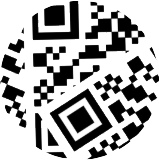
QR Code Scam
Cybercriminals use fraudulent square barcodes to steal your money, personal information, or passwords.
Always check for tampering, and look closely at physical signs. If the QR code is a sticker placed over a printed sign, do not scan it.

Grandparents Scam
Criminals frequently impersonate relatives in distress, pressuring seniors for immediate financial help through wire transfers, often without verification.
Always stop and verify. Hang up immediately and call your grandchild or another family member using a known, trusted number.
Caregiver Scam
Caregiver fraud happens when a paid or unpaid individual entrusted with looking after a vulnerable person misuses that position to steal or misappropriate their money, assets, or property.
Be aware you can set up some financial safeguards (Notify Me alerts, trusted authorized signers on accounts).

Proudly representating parts of Lehigh and Northampton counties
Please do not hesitate to contact my office if you need any further assistance.
Contact us at 610-821-8468 or email us at Miller@PASenate.com.